
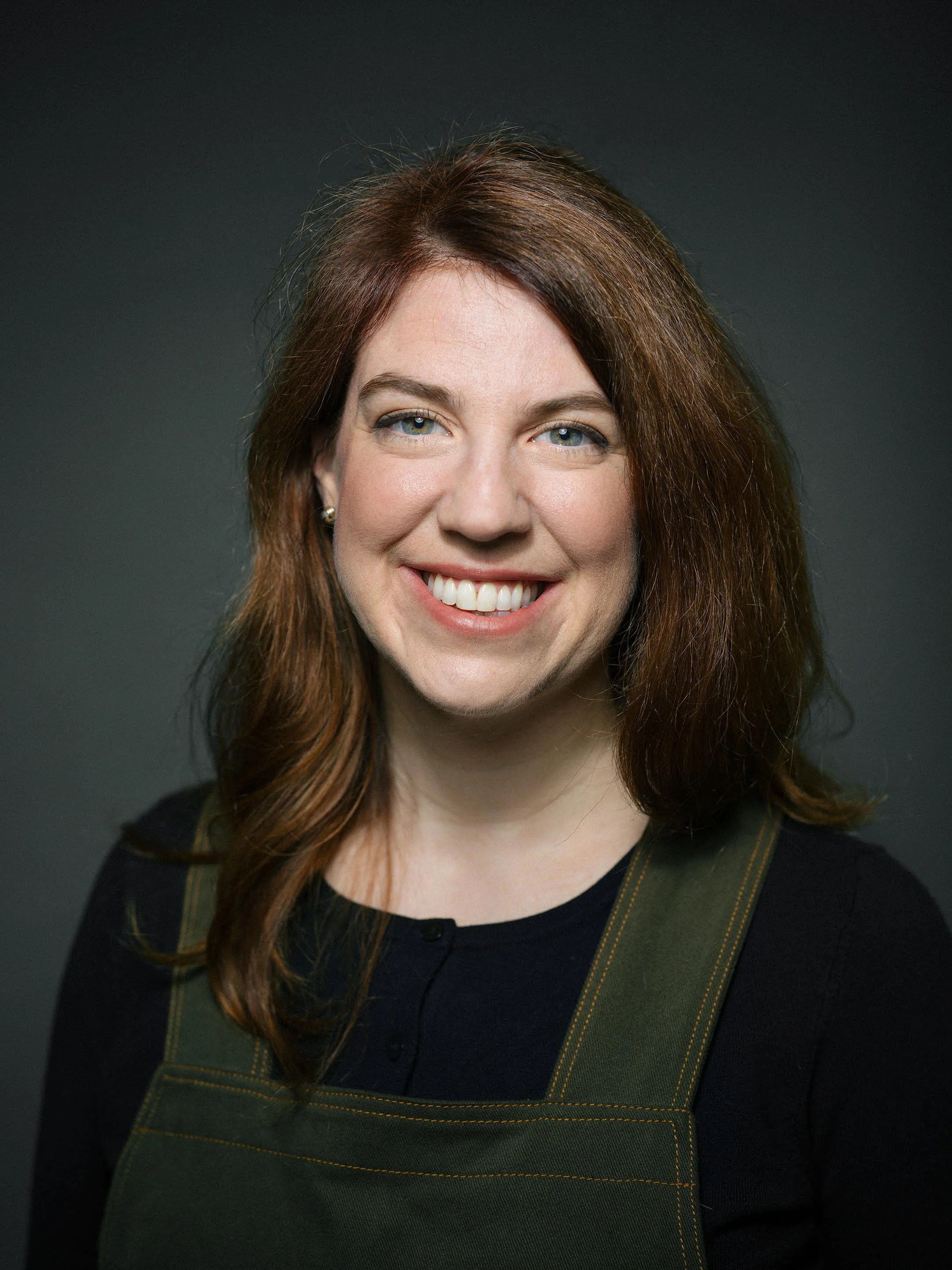
Shannon is a Certified Financial Planner, Chartered Investment Manager (CIM), life coach, media personality, bestselling author and founder of the award-winning New School of Finance. Shannon is widely recognized as a trailblazer in the Canadian financial planning industry. She is a regular contributor for the Globe and Mail, the personal finance columnist for CBC’s Metro Morning and co-host of The Findustry Podcast with Rob Carrick.
In this episode, we are joined by Shannon Lee Simmons—Certified Financial Planner, Chartered Investment Manager, bestselling author, and founder of the New School of Finance—for a wide-ranging conversation about the emotional side of money. Drawing on more than two decades of working directly with Canadians, Shannon explains why financial stress has become so pervasive, how social comparison shapes spending habits, and why a well-built financial plan can be one of the most powerful antidotes to money anxiety.
We also explore decision-making during financial crises, the psychology of regret, why traditional budgeting often fails, and how couples navigate money differently—particularly in retirement. Shannon shares practical frameworks for aligning spending with personal values, avoiding emotional financial mistakes, and helping households make confident decisions through life's biggest transitions.
Key Points From This Episode:
(0:03:56) Why people worry about money—and why financial uncertainty often feels like uncertainty about life itself.
(0:04:24) Why so many middle- and upper-income Canadians still feel broke despite earning good incomes.
(0:05:18) The importance of having a financial plan and reducing harmful social comparison.
(0:06:55) How social media fuels overspending, comparison, and "financial dysmorphia."
(0:08:35) Why cashless spending has fundamentally changed our relationship with money.
(0:11:52) How perceived life milestones—especially home ownership—shape financial decisions and expectations.
(0:13:36) Practical ways to manage financial stress, restore confidence, and build resilience.
(0:15:55) The growing "spending arms race" and how rising expectations have redefined what's considered normal.
(0:18:09) Why Shannon dislikes traditional budgeting—and what to do instead.
(0:20:32) Her four-bucket framework for worry-free spending and maintaining financial flexibility.
(0:22:35) A practical test for deciding whether a large purchase is truly affordable.
(0:25:01) Aligning spending decisions with personal values using an "emotional return on investment."
(0:28:12) Helping couples navigate different financial priorities without turning disagreements into conflict.
(0:30:28) Separating good decisions from bad outcomes to overcome financial regret.
(0:33:48) The major financial decision crises people commonly face—from divorce to illness to retirement.
(0:35:16) Using "micro financial plans," guardrails, and scenario planning during periods of uncertainty.
(0:37:45) The three phases of a financial decision crisis and how planners can help through each stage.
(0:41:41) Why retirement often reveals differences in couples' relationships with money that never surfaced while saving.
(0:45:19) The psychological challenge of withdrawing from investment portfolios after decades of accumulation.
(0:46:41) Using cash wedges and realistic retirement projections to reduce anxiety around spending in retirement.
(0:49:42) How saver-versus-spender dynamics can evolve into power struggles during retirement.
(0:53:12) The question almost every client is really asking: "Am I going to be okay?"
(0:54:41) Why planners should ask about clients' hidden DIY investment accounts.
(0:56:21) The risks of becoming emotionally attached to concentrated investment gains.
(0:57:16) The most impactful parts of a financial plan: realistic spending projections and actionable next steps.
(0:58:25) How often financial plans should be updated—and when life events require immediate revisions.
(1:01:08) Who benefits most from fee-only planning and who may be better served with ongoing advice.
(1:07:00) Why implementation—not recommendations—is often the hardest part of financial planning.
(1:10:00) The strengths and trade-offs of fee-only planning versus assets-under-management advice models.
(1:15:05) Shannon's advice for improving financial well-being: build a plan, focus on your own values, and stop comparing yourself to everyone else.
Read The Transcript:
Ben Felix: This is the Rational Reminder Podcast, a weekly reality check on sensible investing and financial decision-making from two Canadians. We're hosted by me, Benjamin Felix, Chief Investment Officer and Cameron Passmore, Chief Executive Officer at PWL Capital.
Cameron Passmore: Welcome to episode 415. Ben, thanks for having me back.
Ben Felix: It's very nice to have you back, Cameron. It's been a while.
Cameron Passmore: It's been a while and wow, what an episode to come back for. This week, we got a chance to have a conversation with Shannon Lee Simmons, who I'm sure many people have heard of and boy, did she bring her game today.
Ben Felix: She was incredible. I told her after the conversation that it's one of my favourite episodes. Thinking back, it's one of my favourites. She was awesome.
Cameron Passmore: She's awesome. She's so articulate, but she's also like frontline working with people through situations and she's done it for so long with such passion and enthusiasm. We threw lots of questions at her and some were off the cuff that she had not seen before. It was great answers and great insights, but the insights are real. She's dealing with real issues with real people at a volume and scale that you can tell she's gathered so many great insights over the years.
Ben Felix: She's not just smart from experience working with people. She's like in a more abstract sense, very well informed about the advice that she's giving and about how markets work and all that kind of stuff. I think her advice is very aligned with the kind of stuff that we're telling people. We did talk about and this is something that's been popping off in the Rational Reminder community recently. We did talk about fee only planning versus assets under management models for advice. Spicy topic. I thought she had really, really good comments on that topic. That's near the end of the episode that we talked about that. She's written, I believe it's four books, three or four. She's written a bunch of books. She's thought a lot about this stuff; financial planning, financial decision making, regret, all that kind of stuff. That's mostly what we talked to her about. Some really interesting stuff. Actually, we were on a panel together a while ago. She, I guess, listens to Rational Reminder, but she said, a topic you guys have not covered is how household dynamics change in retirement. And she was like, nobody really talks about this, but she's seen it with many of the households that she deals with where couples are very much in the same page, pulling in the same direction. They've got the same retirement goals. Then they get to retirement and once it comes to spending the money they've saved to fund their consumption while they're not working anymore, these differences that were not apparent while they were saving appear in how they want to manage the household's assets and how they want to manage their spending. That was her initial pitch. It was like, we should do an episode on this. We did talk about that as well. I thought that part of the conversation was really, really interesting. It was a very good wide ranging conversation that I think people are going to like, but she brings an energy that's just – it was awesome. It was awesome for sure. Big fan. She is a CFP professional. She's a speaker. She's a bestselling author. She's also a Chartered Investment Manager and she's the founder of the New School of Finance. She is a fee-only financial planner. She's also a personal finance expert on CBC Radio's Metro Morning. She mentions it briefly as she worked in high net worth wealth management, I believe, prior to leaving to start her own fee-only financial planning firm. As I said earlier, she's very well-informed, but also has this in the trenches practical experience working through real difficult emotional and financial planning topics with Canadians.
Cameron Passmore: I agree. Love it. Let's go to our conversation with Shannon Lee Simmons.
Ben Felix: Shannon Lee Simmons, welcome to the Rational Reminder Podcast.
Shannon Lee Simmons: I'm so happy to be here. Thanks for having me.
Ben Felix: We are very excited to be talking to you. Why is everyone worried about money?
Shannon Lee Simmons: I mean, besides the obvious that the cost of living has gone up and things are more expensive and all that kind of economic stuff, I think the big thing is that money is how we afford our lives. You want to go on a family vacation, that costs money. You want to go back to school and retrain, that costs money. You want to get married one day? You want to retire one day? Money, money, money. If you don't know whether that's all going to work out for yourself, then you're worried about it because you're worried about life not happening the way you want it to.
Cameron Passmore: What can people do to stop feeling broke?
Shannon Lee Simmons: People feel broke. I see this a lot. I deal with a lot of middle class, upper class Canadians who feel broke even though they have good incomes on paper. They are not numerically broke. I think the feeling of broke is a feeling that you can't get the life that you want even with the resources you have. I hear this often. I make good money, but I still can't X. Because the cost of living has gone up so much, there's been a sort of whiplash around, if I thought I made this money and had these assets even six years ago, I would have had these things in my life. Now, I've reached those goals and I still can't do it, or I can never save enough to get there. It feels personal. It feels like I'm doing something wrong. If I'm not doing something wrong, then I must be broke. It's a feeling of not being able to get what you want even though you're supposed to have the resources and the know-how in order to do it.
Ben Felix: What can people do to stop feeling that way though?
Shannon Lee Simmons: A combination of things. Obviously, I'm super biased. I think everyone should have a financial plan. I think number one, sometimes if we don't, we think it's like the boogeyman, right? You think it's scarier than it is. And if you actually look at the numbers and map it out, you're like, oh, that is possible and reasonable. Great. What was I freaking out about? I think number one, if you feel broke, and you don't have a financial plan, do not pass go. Do not collect $200. That's what you do. The second thing is, there's a huge comparison that we're doing right now. I think we have created some sort of financial dysmorphia for ourselves with social media and what we think is normal. We have ratcheted up the cost of living for ourselves too. So not only the economic cost of living has gone up, but our expectations around normal has drastically gone up. I've been on the front lines of financial planning for 20 years, and I have seen a huge shift. I think we need to take a break from social media, take a break from comparing ourselves to other people. You map out your plan and stop comparing yourselves to others, and that can really help make us feel less broke because we're less aware of what we're missing out on.
Ben Felix: The point about having a plan is so important. We've definitely seen cases where people thought they were broke, and it turns out they could retire tomorrow.
Shannon Lee Simmons: Yes. It's such an emotional, psychological game about what is enough. That's such a subjective term. If you're too scared to look, then you're going to make it probably more scary in your head. Even for people who have debt, I often say this too, sometimes your debt monster is not as scary as you think. I really think that knowing the numbers and mapping out the scenarios is the most powerful thing people can do to feel less broke.
Ben Felix: Absolutely. You talked about the effect of social comparison on people's broke feelings. How does social comparison affect what people actually spend?
Shannon Lee Simmons: I think it's a lot. So, in a couple of ways. Number one, when we feel broke all the time, I think at some point it's natural to reach that point where you're just like, oh, screw it, I'm going to do it anyways. The more frequently you feel like you're left out of something or you don't have something, the more likely you're just going to eventually binge spend, because you're always feeling you have constant restrictions. So, what social media is doing is making us feel like we're constantly deprived of a life that we should be having. Even though we're not, we feel that way. I use this example all the time. 15 years ago, if you wanted to see your neighbour's vacation photos, you would have had to knock on the door and be like, want to make me a copy? Like, what?! Now you just flip, flip, flip, and you can see all the cool things that they got to do with their kids. Then you start feeling like a bad parent and all of it. I think that the social comparison has led to overspending because we reach that point of, I don't care anymore, I'm going to do this anyways because everyone else is, and I deserve to, and I should get to do this as well. I also think the algorithm and frictionless spending are attached and linked through social media. If my algorithm knows what I like, when I'm flipping through, it's like, want to buy this? With a tap of a button in a weak moment when I'm feeling tired or lazy or whatever, it's just there and it arrives by a drone tomorrow. So, I feel like there's a psychological impact to overspending that social comparison is doing to us through social media. And then there's also the actual frictionless spending and logistics of it that is just making it so easy to part ways with our money. It's just easy come, easy go in such a way that is exponentially faster and scarier than it was 10 years ago, for sure.
Cameron Passmore: And you never see the money either. The money goes, you don't see currency anymore.
Shannon Lee Simmons: No, I think it's really shifted our relationship with money. The idea that we don't touch it and we don't see it. It's all cerebral all the time. There's no physical relationship with it anymore. I'm raising kids in a world where they just see me tap. How am I expecting them to have a relationship with money? I used to watch my dad physically remove a 20 from his wallet and pay the pizza man. I was like, I'm aware that now you have less money. I feel like even I do this sometimes. This is so silly, but I'm going to share it with you. I have taken my kids to the grocery store and not brought a debit card and not brought a credit card with me and brought a physical list. Okay, old school. I did it for them to try to teach them about budgeting and making decisions. I was sweating because I couldn't go dollar over. I had no backup. I have not done shopping like that where I couldn't just go over by five bucks or I couldn't just go over if I wanted to, or just grab that thing because I have a credit card on me in I couldn't even remember the last time. It was so refreshing to remind us that we have to make trade-offs. You can't ever make the same kind of trade-offs when you have access to credit because there's no ceiling in that moment. Our cashless society is leading to us being so physically removed from our money. And then we spend it easier because we're not emotionally attached to it in the same way.
Cameron Passmore: That was normal though.
Shannon Lee Simmons: Yes.
Cameron Passmore: I can remember grocery shopping with my mother, she had whatever, $80 or something that had to last the entire week. Not only for that trip, but she had to plan the whole week with five of us.
Shannon Lee Simmons: Yes. It's a life skill that I think we're losing touch with, and especially now with delivered groceries and delivery shopping. We just don't see the amount of kids being dragged around for errands anymore because people are getting it on Amazon and it arrives the next day. The kids aren't even seeing the transaction happening. There's this lack of awareness of what things cost. It's really, really hard for all of us to budget with technology, the way that it's set up. It is set up to take the money from us as easy as possible. That's what it's set up to do.
Ben Felix: On social comparison, I'd be curious what you think about the direction. It's always upward social comparison. People are never getting to a certain point and then looking down and being like, yep, I made it. I'm good. They're always looking up at the level above them and thinking, oh, I wish I could afford that.
Shannon Lee Simmons: Yeah. I think that's human. In evolution, you're supposed to compare yourself. It was a safety thing to make sure you don't fall behind. There's group herd mentality where if I'm part of this, I'll survive. I don't want to do that. And now in modern life, falling behind looks like, I don't think it's a petty thing. I don't think it's about having the nicest car. It's more about not feeling like you fit in with the community that you're supposed to fit in with. And what is the impact of that on your social well-being and your self-worth and your kids? It's not about being the best for the best. I think that we can be in that judgy, shamey place, but I really think that what it's done is morphed what we all think is normal. And then all of us are just trying to keep up with what we think is normal. And that's the fundamental problem with it. And it's never going to be enough. To your point, we are wired to think that there's never going to be enough because that's how we survived was like the squirrel who saved all summer versus the grasshopper. Or sorry, the ant who saved all summer versus the grasshopper.
Cameron Passmore: What effect do perceived life milestones like buying a home have on people's finances?
Shannon Lee Simmons: The home one's tricky because there are economic benefits to it as well. So it is perceived in the sense of a milestone. Like I call it the life checklist. If you don't do it, then somehow you haven't achieved something in life. I really think this impacts young people in their twenties and thirties. People that I work with that rent well into their forties and fifties, they're over it. They're like, hey, I'm reaping all the benefits at this point. And like, look at my stacked portfolio. But I think that that perspective comes with time and wisdom and proof that it worked and everything's okay for you. And if you're younger, if you don't have that lived experience of wisdom of this is all good. People can tell you that, but it's hard to imagine it. I think that the impact of not hitting those milestones or being worried that you're not going to hit those milestones adds to like a generalized sense of anxiety when it comes to our money. And you can see that in the younger generations of people, I'm sure your clients with older kids talk about this. Again, it really comes back to that "what's the point?" And I think we're seeing a lot of that with that sort of financial nihilism that started, which is, well, the long run doesn't apply to me. So I'm going to spend all my money right now, or the traditional financial playbook doesn't apply to me. So I'm going to do whatever I want right now, whether it's super high risk investing, whether it's gambling, whether it's not participating. The danger of us all as financial experts, promoting this life milestones or life checklist as the only way or like the best way. And then having people who can't participate in that is dangerous because I think it can lead to financial nihilism. And at that point, you don't have a lot of hope. And when the hope goes, well, then you end up in a situation where people don't want to necessarily participate. And I think that there could be long-term ramifications of that.
Ben Felix: For sure there could be. How should people avoid feeling stressed about all that stuff about their peers and about not hitting those milestones?
Shannon Lee Simmons: We are always going to feel stressed about it. I think it's impossible not to. I think it's what you do with that stress and the action you take regardless of the stress that's important. We are living in weird times. We are in a weird timeline and there's no denying it. So pretending like we're not is silly. It almost feels naive. And I think things are harder. I think the middle class is getting really squeezed. Acknowledging that I think is really fundamentally important. This sucks. It's hard and it's harder than we all thought it was going to be. At the same time, to fully exit out of the plan or to fully pull yourself out and say, well, this doesn't apply to me, I think is foolish. Because at some point you're going to wake up and you're going to be 50 or 60. And then you might realize, oh my gosh, I don't have a lot of time and I'm tired. And so I think we want to, in the face of that stress, I really think it comes down to the financial plan. And again, not because I'm pumping my own tires or our tires as an industry, but because you're mapping out what's possible to claim your faith that it's worth it. That there is a point. Because that's what's getting harder and harder is the faith that if I do this, then it'll be okay. That's what's getting squeezed. And so if we have a plan that feels sustainable and realistic, then we're like, oh, okay, we can do that. Then I think it restores our faith. So in the moments of stress, we can come back to that as like a blanket of calm. And I also think having emergency accounts has never been more important. I think it really helps with anxiety. If you wake up at two or three in the morning and you see a little emergency account that's right there for you, like a little bow, it's like, oh, relief. And so I think an emergency account can really help. And I don't think it's just wasted money that should be invested. And it's just barely keeping pace with inflation. I think it's an emotional win. And lastly, I think as a collective society, I believe that we all need to crank it down a notch. I would love to see weird tiles and houses and potluck dinners. What are we doing? Why are we all doing this to each other? I don't think anyone's happy. Can't we all just step down and stop spending so much money on regular life? Can't we all just chill? I feel like there's a conversation to be had amongst people to just be like, are you tired of this? Because I sure am. And I think we could all benefit from that.
Ben Felix: Slow down the spending arms race.
Shannon Lee Simmons: Yeah. A great example. I say weird tiles. I use it as an example a lot because I grew up in a house that had weird tiles. No one came over to my parents' house and were like, oh, are you going to renovate? Nobody asked that question. It just wasn't a thing. And now, I'm in my 40s now, but when my group of friends was buying houses 10 years ago, questions started around, are you guys going to do the basement? I had a weird unfinished basement my whole childhood. I'm fine. I just feel like what we think is normal is wild and we all need to just stop because it's really hurting us all for real.
Ben Felix: I'm going to continue to shamelessly plug our industry for a second. Just on the idea of having a financial plan, I think it was implied in what you're talking about. People don't realize the compounding effects of not doing things today. And so when they're making those trade-offs, like when they're making a decision to YOLO on a stock instead of make a more sensible long-term investment, I don't think they realize the implications to their long-term plan. And so without having that, just a simple financial planning projection, it's actually really hard to know how big of a trade-off you're making.
Shannon Lee Simmons: When you don't know what you can and can't afford, every single transaction feels terrifying. Was the $40 pizza going to rob you of retirement security? Probably not. But if you don't know that, it's easy to spiral on it. And then it's easy to be like, oh, I still get money. The more you feel like you suck, the more you're going to opt out and think that is not for me. It's so important.
Ben Felix: In both directions. Yes, you can afford the pizza. And no, you don't need to redo your tiles for $40,000.
Shannon Lee Simmons: Exactly. This is the conversation we all need to be having.
Cameron Passmore: So interesting growing up, I can't think now of a single friend's home that was ever renovated. Renovation wasn't even a thing. Same. I'm sure it was. It might just be my group. But I don't remember ever seeing a dumpster in someone's driveway. Now it's like, it's 20 years. What are you doing your house again?
Shannon Lee Simmons: That's right. I remember my mom painted the cabinets in the kitchen. We were all like, whoa. And it was like trading spaces had come out and she was going to try a weird sponge paint. It was wild for her to do that. No, I grew up, I'm a suburban nineties kid, eighties, nineties kid, and like no dumpsters, no renovations, like nada.
Cameron Passmore: So what are your thoughts on the value of budgeting?
Shannon Lee Simmons: Obviously we have to live within our means. We can't just spend whatever we want or else it's simple math. What's coming in, what's going out and then what you're not, then you save what's left over or you save first and then spend what's left over. Obviously I'm a fan of limits, but I don't even like the word budgeting. And the reason is I feel like it sounds like diet people immediately eye roll. And I think that the word comes with a lot of baggage because so many people have failed at budgeting over the years. And so they feel like that's not a thing I can do and I'm not going to do it. I hate money and I hate budgeting. But really what they're saying is like, I've tried so many times and it didn't like work out for me or it felt too constricted or I didn't like the way it felt. And I think that's because of the way that traditional budgeting has been promoted and what's out there, which is you download a spreadsheet or you get an app, you cut your life into 50 different categories, pants and coffee shops and utilities and like miscellaneous shopping, which is my favourite. "Hey bud, want to go for some miscellaneous shopping today?" But anyways, it's like the catch all. And then what we do is so punishing. So we just think about that exercise in itself is so riddled with guilt and shame, like, oh, you know that feeling. Then you try to say, okay, I'm going to project out what I'm going to spend so that I can be within my budget. But you do it with like 50 different categories. So you're like, I'm going to spend this much on groceries and this much on coffee shops and this much on Uber and this much here and this much here and this much here on kids' presents and all that kind of stuff. And then you're like, you go to bed, you feel so responsible. And then inevitably, the next day, like maybe a pal's coming over and you like needed more cheese. And so you like you went over your grocery budget and then you're like, oh, and then you have to like reconcile and steal from coffee shops. And then you go the next day with a coworker, you're tired, it's two o'clock, you get a cookie. And then it's like, oh, then you have to steal from that. So it's this endless mind game that you're playing within your brain. I think it's exhausting. And you probably fail by like week one or two. And then you give up completely thinking that budgeting is not for you. And it's really what you've done is actually just tried to constrain money that needs to be flexible too much. You've put too many rules on yourself. You can loosen that a little bit so that you can still live within your means without hating your life. So I hate the word budget and I hate traditional budgeting. But obviously, people need to know what they can and can't afford and they have to know their limits or else we will overspend.
Ben Felix: You did mention limits earlier. Can you talk more about that? Like what should people be doing that is not budgeting to still be responsible?
Shannon Lee Simmons: That is the crux of worry-free money, which is the very first book I wrote and I still stand by it today. I still do this every single day with myself and others. Essentially, you need to move your money into four different ways. So there's like your fixed expenses, the money that's going to improve your net worth, your short-term savings, which is like the money keeps you out of debt, emergencies, a big purchase, that kind of thing. And then you're spending money and that's it. You categorize it into two different piles, money you can spend, money you cannot spend. Guess what? The money you can spend is not the fixed expenses like your rent or your mortgage or all that stuff. It's not your savings going to your long-term retirement accounts or going to debt repayment or paying down the mortgage. It's not the money that's saving for emergencies or going towards a future vacation. It's literally everything else. But that is as far as you need to go as far as setting that limit. I call it your hard limit. It is the physical line in the sand between the money you can and can't spend every pay period. I even go so far to say separate it into a separate checking account. Because once you know that dollar amount per paycheck, you just drop it in there, blow it to zero on life between now and the next payday. And as long as that account is a physical representation of what is yours to spend, who cares if how it breaks down between miscellaneous shopping and groceries and gas and pants and coffee and kid's birthday party, a personal vendetta of mine. Who cares? As long as you're fed and having fun. What I also think is if we are spending on credit cards, fine. Just move the money from that spending account onto it. So that it is always a reflection. It's sort of like how how you can stay within your limit without over-budgeting, without doing the daily back and forth and the guilt and the shame around the specific categories. But that's worked for me forever. It has been... That book is a bestseller. It's very powerful. And I feel like it works for most people when that micro-budgeting only works for like 5% of the population who are typically engineers.
Cameron Passmore: So you're a fan of using the envelope in totality for spending and not get too fussed about spending on a specific thing? Or is there something people should do when they determine whether or not they can afford that thing?
Shannon Lee Simmons: I'm not a fan of envelopes in the sense of cashless, or I think it should be done in debit and you just have to move money around in a checking account. So I don't think it needs to be like actually physical cash in an envelope. Although back to my grocery store example, maybe every now and then as a good reminder for all of us about decision-making. You're right. I'm not fussed about what the micro-category is on. I think I'm only fussed about people making those decisions of can we afford this or not? If it's for daily life and it's within the spending account, go for it. I think when it becomes a pondering moment, can I afford this? Is when it would be something that would rob your spending money. It's like a huge expense that would be like, oh, this is all of my money that would be in the account. So those would be like those big expenses. And so my rule of thumb or my guideline there would be like, if you're buying concert tickets, let's say, and it's like 500 bucks or more these days, if you're paying for multiple tickets, that would be something that if you're like, this is probably not something that I can spend in my day-to-day life. So I'm going to put it on my credit card. So then my sort of rule of thumb around affordability is okay, well, if it's not a day-to-day spending, then do you have money set aside in your short-term savings account for these kinds of larger expenses? If you do, then pay it off from that. If you don't, then okay, then it'll sit on a credit card. Can you pay it off within three to six months, three being ideal? And that's typically my red flag. So if you have to make huge massive reductions in spending in order to get this thing hammered down over three months, it might be in the realm of not affordable. Because if you do that, then you're going to have less income or less cashflow every month. And then you're going to do it again. It almost seems like a buy now, pay later wheel that can get out of control. So I typically say three to six months on a credit card, the interest is not going to make or break your retirement probably, but it's just whether or not you're diligent enough to actually pay it off and if you're going to keep doing stuff like that. So there's room for the day-to-day life. And then there's room for like, this could sit on a credit card. This is a big enough expense to do that. But am I reasonably going to be able to pay it back?
Ben Felix: Yeah, it's interesting. Like you said, those could compound if you did that twice, all of a sudden it's going to take longer. If you keep doing it, then you're seriously in debt and in trouble.
Shannon Lee Simmons: And so that person's not actually living within their means and they're hating their life. That's a different problem. So every now and then, I mean, we're going to have expenses that are bigger than what we can. And so as long as you're being mindful of those, that's not a spending problem.
Ben Felix: How do you think people should make sure that their spending is aligned with the things that are actually going to make them happy and improve their life?
Shannon Lee Simmons: I think it's an exercise in mindfulness and planning, again, coming down to the financial plan. But I think that it's a financial plan around your spending money. So I have a theory or like a thing that I do with people sometimes when they need to reduce spending, or they need to make cuts somewhere, because this is a normal thing that we have to do, especially as things get more expensive. And it's painful. And often we'll do things like, you'll look at your credit card spending, you'll download your transactions and look at them. And most people immediately go to take out coffee and lunch. And they're like, okay, I'll never do that again. Those are the things. Oh, why do I do that? That might be that person's values. But what if it's not the client's values? Or what if it's not my values? I put it back on them. And I'm like, let's go through line by line here and rate these things out of five for your emotional return on investment for these various things. And you'd be shocked when you put it back on the client what they're willing to reduce. You don't have to do the work for them. I get them to go through and I have two clients. This is a great example. This is something that just recently, one client spent hundreds of dollars on Uber every month. And in my brain, my inner monologue is like, holy moly, that's a lot on Uber. Do you know what I mean? And I said nothing, zip it. Immediately, that would have been somewhere that I would have suggested reducing. Like immediately, there's so many solutions. And they rated it a five out of five. I was like, I'm curious. Tell me more. He was like, I have a big job. And this is the only way that I can see my kids and get to their practice on time and dah, dah, dah, dah, dah. And it's cheaper than parking and this, that, and the other. Well, okay, that's so mindful. He had ones around stuff that I was like, oh my god, who cares about that? I couldn't care less about that. I would never have looked at that. So he was willing to reduce other places in order to keep that. And I thought, okay, that's way more powerful. He's going to stay to that now because he doesn't have me just being like, don't take Ubers. And then he's going to take them anyways, and then feel like a giant failure. That exercise of going through puts it back on a client and a person. And then they get to decide which ones spark joy and which not, for their own value system, which I think is really powerful. And it helps with mindfulness around, wow, I'm spending money on stuff that really makes me not happy at all. And this is why I say the kids' birthdays. It's not like I don't want to celebrate children in my neighbourhood. It's just that there are so many birthday parties and the cost of it is so wild. And it is a one out of five for me. That knowledge came when I did this exercise with myself. And I was like, I'm really spending a lot here on things. I'm like resentful of it. So I saw that in my neighbourhood. I talked to a lot of the neighbourhood moms and was like, can we do 10 bucks all together? And then the kid gets money and they can go buy something awesome. And then they were like, yes, I don't need more stuff in my house. I'm like, great. So this is a perfect solution for that. That mindfulness is what that took. It was not a happy spend for me. I think that that's how we do that. I think we make sure that with the money that we do have left over, we're very mindfully picking things that are important to us and actively taking out the things that are not or the things that we don't remember, which is also on the rise because of frictionless spending.
Cameron Passmore: So take that dynamic to couples when you're working with couples instead of an individual. How do you manage that dynamic?
Shannon Lee Simmons: It can be spicy. I'm known for my like emotional EQ on financial planning. So I think that I get a lot of people who are like, this is going to get real. I have a lot of very interesting dynamics playing out in my office. Lots of people have different ways to think about money. There's two things that we're talking about here. So I think the emotional return on investment piece is more about your values. So if I had a couple that was not aligned on values, so one person wants to spend lots of money on vacations, this is a classic one. And the other person is like, no, we should invest in the house. These are two valid arguments. And one is, I don't see that as important. And I see this as important. So I think number one, sitting down with a financial advisor or financial planner, you have a third party that's helping you navigate this tricky conversation, because it is tricky. And I think to pretend that it's not is silly and naive. What often happens when we don't have a third party navigating with us is that "I'm right and you're wrong." When it's really just this is important to me, and this is important to you, and it's not important to you as it is to me. So the ranking helps because we can actually physically see that there's a values misalignment, which sometimes it just helps to break the ice around the fact that like, oh, it's not that someone's smart and someone's dumb, or someone's right and someone's wrong, or someone's financially responsible and someone's not. We just have different values around this piece of money. It feels like a different conversation than you're irresponsible and I'm not, which is hurtful and harmful. So I think third party ranking them together. And then the actual, what are we going to do about it is constant compromise. Okay, we can't both win. So what can we do? Do we do a trip every couple years and then save into the house fund here and extend that? Do we do this? Do we do that? What's the balance between both of them and like mapping that out together? This is the kind of work that is really in the weeds with clients for sure, but is so deeply impactful. And it does impact the overall portfolio because how they spend money is going to impact how much they can save for retirement as well. Really getting in the weeds with them I think is quite important. And that's when you become that trusted ally too, where you're like, I actually am helping. It's not just about returns.
Ben Felix: I like that. What about past decisions that people have made that they regret? How do you coach them through dealing with those feelings?
Shannon Lee Simmons: I see this too. I'm sure you do as well. It comes in various ways. There's some that are dramatic. There are some that it's about a variable mortgage in 2020. There's varying degrees of regret and around it and the blame. I think number one, the reason I care or the reason we should all care if we hear regretful words around decisions is that often if you feel like something financially didn't work out and it's your fault, you feel like you don't trust yourself to make financial decisions in the future. And I also think it makes people more skeptical of professionals as well. Like if they have a bad encounter with a previous person, that impacts our industry as well. So it behooves us to care about financial regrets. And you don't want to rob someone of that confidence going forward that the plan will work. It really comes back to that hope and that plan that will work in the faith that it's going to be okay and you should stay the course, that long game. How do you motivate someone to stay the long game? And so if you're regretful, then you risk not sticking it out. How we deal with it? Oh my gosh. I think it depends on the situation, but let's even use the variable mortgage. Why did you make that decision in the first place? And I literally will say like, if we could get in the delivery and go back in time, what are you doing when you're making that decision? It's like, well, I talked to my mortgage broker. Well, the fixed rate was 4% versus 1.75%. Well, the Bank of Canada said that they weren't going to raise interest rates. Sounds like you made a great decision with a bad outcome. And people are like, what? That's a thing? And I'm like, yeah, there are lots of good decisions that have bad outcomes. Sounds like that's what happened to you. And the relief that that can offer somebody, especially if they've had a bad stock experience. I heard this a lot. If you invested just before a huge shakedown in the markets, you might be like kicking yourself. And it's like, was it a bad decision to invest? No, you're not psychic. What did you think that you could control the stock market? This is not a conspiracy situation. So no, going back in time and sort of saying, what was the information you were using? Was it good? And number two is what values were you upholding when you made that decision? Probably something. And often that will get people really excited about, yeah, you know what, I was trying to like, for example, I had a client who went through a separation. And the big decision that she had to make was like around where to live. And am I going to rent unaffordably in this neighborhood that I'm not gonna be able to save anything? Or am I going to move far away? We were like, what's the value that you're going to hang your hat on in this decision? So let's say you rent unaffordably, but you keep your kids in the same community. 20 years from now, you don't have as much for retirement as you should have and you have to work longer. Are you going to regret that decision? She's like, no, because I was like really upheld my decision for my family versus another person might arrive 20 years from now and be like, I regret it so much. Why did I do that? Maybe it was the wrong value at the time. Something about the information and the value that you use when you made that decision.
Ben Felix: Yeah, just that concept of separating decision quality from outcome is so important in finance and in personal finance.
Shannon Lee Simmons: Literally portfolio management, number one, sticking to your asset mix and rebalancing long-term and all of that stuff because the good decision making, again, you don't often get to see the outcome for a long, long time. There's a lot of times there's short run bad outcomes, but the long run is still fine. I think again, that's something that financial advisors and financial planners can help with that perspective.
Cameron Passmore: In your financial planning practice, what kinds of decision crises do you often see people having to work through?
Shannon Lee Simmons: Lots. First and foremost, what I consider a decision crisis is not should I lock into my mortgage? I would say we're talking about high financial stakes and high emotional stakes with a lot of uncertainty. Separation and divorce is a huge one. Where to live after? How do I regain financial stability after my life has just changed? How do I do that? Those are big decisions that need to be made. I would also say that I get pulled in a lot if I haven't heard from someone or if I'm hearing from someone for the first time. Maybe there's a critical illness that's happening and now they can't work. We're going through something like that. Something that's blown up the plan, or someone's rage quit and they're like, oh my god, oh my god. I would even argue that retiring can be a bit of a long, slow decision crisis because the emotional stakes are high and the financial stakes are high. I find a lot of my retirement planning meetings that I'm having with people who are retiring within or they want to retire within three to five years, it has the same playbook. It may not be an emergency, but it has the same high stakes feeling and there's a lot of anxiety that can be quelled in that meeting as well. I get a smattering of those big dramatic things, but I would also say in a positive way, like buying your first home. I don't get as many of those as I'm aging, but I used to. My clients are aging with me like a fine wine. I used to get a lot of those. I would say buying your first home is also a decision crisis. There's huge financial stakes and huge emotional stakes with a ton of uncertainty.
Ben Felix: At what stage of a decision crisis are people reaching out to you for financial planning advice?
Shannon Lee Simmons: I think it depends on the crisis. If it's an emergency, like something's actually happened, I get emails at like three in the morning. That might be like the critical illness ones. That might be like the separation, divorce ones. That might be like the I got fired ones. Those are not necessarily the fun ones. Those are the ones where I'm glad that I'm here to help, but that's not a fun one to financial plan. We're in a sort of damage control mode. I do something called like micro timelines. So, scrap the long term for five seconds, let's ignore it. Who cares what's happening in the next 10 years? Let's focus on the next 10 days. The next 10 months is even unclear for you at this point. That's what happens when there's an emergency. Often I'll say like, cool, we're going to make a series of micro financial plans between now and the next 10 months, and we'll get you through that crisis that way. COVID was one. I had so many people that just got totally disrupted out of nowhere. Then it was like, cool, let's not make a plan for 10 years from now. Who cares? Let's do it in the next 10 days. That kind of almost damage control emergency response. Then there's the bigger ones, which I was talking about. Maybe it is about buying my first house and what that would look like. Can I retire? Can I leave my job and retrain? This is another big decision crisis that it's a slow burn. There's no emergency. The planning that can take place there for financial planning is a lot more calm, cool, and collected because we're really just working out different scenarios and making sure that it is a no regret decision in the sense that you might make these great decisions, but it may not work out. You want to go back to school, you might not get a great job. You might quit this wonderful financial job that you hate, retrain, go here. You might hate it, or maybe you don't get it. Are you going to look back and regret that you did this? What can we do to safeguard yourself from that? The safeguarding comes down to mapping out pivot points where this isn't working. What else am I changing? How am I going to change my plans? Then guardrails, which is like how much money are you willing to spend to chase this dream before it's actually dangerous? That's something that from a financial planning point of view, I'll map that out. You see it coming a mile away. When you reach, unfortunately, I hope no one ever does, but if you reach a guardrail where you spent the money that was the limit. A classic example like bidding on a house for the first time. Okay, this is the ideal. Here's the higher price point you go, but you'd have to change things about your life. Then here's the guardrail. No, that's a hard no. If you reach the hard no, then if you saw it coming a mile away, it doesn't feel abrupt, and it doesn't feel scary, and it doesn't feel upsetting. You already knew it was coming. Then you can say no and back away from whatever that first ideal plan was.
Cameron Passmore: What do you see as the phases of a decision crisis?
Shannon Lee Simmons: Well, if there is an emergency component to it, I would say the first part is that damage control. Let's make sure we're not making panic-based decisions or irrational decisions. Sometimes when the carpet gets pulled out from underneath you, you can make decisions that are not logical. And I have found that talking to people over 20 plus years, those who have deep financial regrets will say things like they got in the DeLorean, they go back in time, and they're like, nope, I hate that decision. I made it out of anger. I was super bad. I was super afraid, or I was overwhelmed, and I just did the first thing. It's a decision that was made in a moment of crisis or in a moment of heated emotions, and didn't work out, and now they blame themselves for that. That first phase is making sure that we're not making panic-based decisions if there's been an emergency. The second phase, or maybe the first phase if it's not an emergency, I would say is something I call the messy middle, which is just like, you're over it. You don't want to be making decisions anymore, but you still have to. A separation or a divorce is a really good example of this. It just goes on. There's so many decisions, and you're just like, I'm over this. I just want the outcome, but you have to stay the course. This is really when you need to figure out what are those deciding values that you're going to hang your hat on so that even if it doesn't work out, you're good. What are those pivot points? What are those guardrails? This is when the financial planning nitty-gritty happens. How far you're going to go, or how far can you push in order to get what you want before you light yourself on fire financially? That's our job, is to map that out. That's where that happens. Then the last phase is basically just, I call it your next normal, which I hate the term new normal. I think it was overused in the pandemic, but like whatever your next version of your life looks like. If you retired on Wednesday, your life on Thursday looks drastically different than it did before. This is your next normal. It's going to become your normal life, but it won't feel normal at first. If you quit your job on Monday, Tuesday, it looks different. Eventually, it'll feel normal, but it won't at first. What does that look like? If it didn't work out for you, how are you going to make peace with that? If everything worked out, you retire and it's beautiful, then who cares? Great. Good decision making. If you went back to school and you got the dream job, great. Good for you. What if it doesn't work out? Then how are you going to square that with yourself? That really comes back to all that planning that we can help people make and navigate with them so that they can look back proud, even if the outcome is not ideal.
Ben Felix: I'd love to hear, particularly in a crisis, you mentioned people making rushed decisions that they regret later. How do you coach people to make those difficult decisions in difficult times that they don't look back on and regret later?
Shannon Lee Simmons: I use financial planning as my wizarding wand. I have to call it my own bias here. I think someone that's coming to see me and paying money out of pocket is probably not going to make a abrupt, deep emotional decision because that person's already decided to seek advice and pay for it. Right? I probably have a slew of people, like a sampling of the population who is feeling emotional, but knows they shouldn't make a decision right now. The people that I have met over the years who made the decisions that they regret, they didn't come see me. They made those decisions in the moment and they didn't seek help. They just were overwhelmed. I think it would be something like, I would hope that everyone would seek out their financial advisor in those moments of crisis so that they don't make decisions like that. But you're probably, if you have somebody who's already reaching out, you're already in a position to support them because they already know. So I think it's just more a broader conversation around if something's happened and it's going to impact your long-term finances in a big way, get support. Get support. Call your financial advisor. Call a fee-only financial planner. Call somebody. Don't just do brash decisions when the stakes are high. We're not talking about ordering a pizza. We're talking about big decisions. I think everyone needs to get some financial support that isn't necessarily a chat bot.
Cameron Passmore: Let's shift to talking about retirement. How do household financial management dynamics change in retirement?
Shannon Lee Simmons: This is something that's so interesting for me. I've worked with lots of clients over the years, getting them ready for retirement and they're like a team. Everyone's rowing the boat together. We got a plan. In the last five to seven years, just before the pandemic, I started to see that the new thing as my clients, as I'm aging, they're aging, retired and then they come in for their checkups with me or they reach out because something's gone awry. Being more this emotional part of it, you can see a little bit of it in the financial planning meeting just before they retire, where they are not on the same page all of a sudden. That can happen in two ways. They might have had the same dreams for their housing, how they wanted to plan for the kids' school, how they wanted to work, what they wanted to do and they've never had to come to blows where they thought they had it. Then they get to retirement and turning off the income tap, massive, scary thing. If you spent a lifetime building, now all of a sudden you stop building and now you have to use those assets. People have different responses to that, very much so. I've really seen that some people are like, great, time to party. Let's go. We have a plan. We got our money. It's all working. Our planner said it was fine. Let's do this. The other person is crippled with fear and cannot enjoy it. I don't know, you hear the news and it's like, I don't know. There's a war right now. I don't know. We shouldn't do that. We shouldn't do that. The other person's like, we have permission. Our financial plan is set and we have permission to do this. What are you doing? I think that that dynamic of somebody that's unable to spend the money when they retire is something that I don't think I'll have that problem. I was like, oh, wow. Another partner who doesn't have that problem, that's a real dynamic. I've also seen conflicts in a similar way of let's spend money while younger in retirement in our 60s and early 70s because we may not later and the other person being like, no, no, no, no, no. We might both need a lot of care. We are on lockdown mode. No. It's very scary on both ends. Even though there's money, there's resources, and there's been a plan, we still end up in a place where as soon as the income tap gets turned off, these deep fears rear their ugly heads and we have to navigate through it.
Ben Felix: How do you think it happens that couples are on the same page? Like you said, they're a team rowing the same direction and are unaware of each other's different relationships with money?
Shannon Lee Simmons: It's a new fear. It's like a couple who's so happily married, then they have kids, and then all these values come out of nowhere and you have to figure that out and you're like, oh, I didn't know you were annoying like that and like, oh, I didn't know you were either and like all those things. Then you either work through it or you don't. I think retirement is one of those major life transitions where it's a new fear that's introduced into your relationship unless you've had a lifetime of ups and downs. I suspect if you had two people who were like entrepreneurs, they probably wouldn't have that beef in retirement because they've probably been through economic roller coasters before. There's a higher risk tolerance and a long lens that can happen there. But if you've got two people who have just been doing the thing, and they didn't have a lot of ups and downs economically, and now all of a sudden there's a tap turned off, it's a new anxiety that's introduced into the family and into the relationship. The stakes are higher, so you have to re-figure it out. What people have been waiting for, this is supposed to be the golden years of you're done, of a life worked well, and now your spouse is telling you you can't spend it. Are you kidding me right now? I get both sides.
Ben Felix: You mentioned turning off the income tap and I totally get how that changes things. On the other side of that coin, how much do you think having to actually go and actively make decisions about selling assets plays into those difficult dynamics?
Shannon Lee Simmons: I think it's a huge piece of it. I don't see this with my clients who have pensions. I just don't see it because it mimics a paycheck, and it's guaranteed income for life. If you have pensions or even one person with a solid pension, and the money in the portfolio is adding to life, if the money in the portfolio is not for housing and groceries and bills and daily life, then people are way less upset about it. It feels celebratory. It feels fun to take it. Let's go. That's because that income is still coming in. If you have a person or a couple whose sole retirement relies on an investment portfolio, which is more and more people as pensions are less and less, then that is where I really see these dynamics cropping up. Again, not everybody, but I'm just saying it's happening. I think it's because we've also had a lot of uncertainty in the last few years too. Since the pandemic, it's been a roller coaster. People feeling like, when in doubt, do nothing, batten down the hatches. Even as stock market returns soar, there's a sense of dread. It's all going to crash. It's all going to crash. That, and so I think it's impacting the behaviour of people for sure.
Ben Felix: Interesting. We don't use annuities as much as academic literature suggests we should, but we almost don't use them at all, honestly. Do you think annuities help to solve this problem?
Shannon Lee Simmons: I'm not anti-annuity. How I work around this with people is I typically will suggest, and I would love to hear your thoughts on this. Maybe this is a little old school of me, but one or two years of whatever your planned RIF withdrawals are in GICs. If you're supposed to take $25,000 a year, then you'd have 25K in a one-year GIC and 25K for the next two-year GIC. Then the GIC comes up and it's like, hello, I'm mature. Do you need me? Then if stock markets are good, like nope. Then you send it back under for two years and then you take your 25 from a rebalance and you send it off on its merry way. This way, what you can tell people in those moments of the stock market crash piece is you're good for at least two years. I have even done this for three years with really anxious people. You could have an economic meltdown and you could lose half the value of your portfolio and you don't have to change a damn thing about your life for three years. If we look historically at what's happened, that should be enough time. That has been a huge way to get people to say yes to still investing, yes to not moving everything to a GIC or an annuity, and to have that port in the storm. It is a drag on returns. I definitely adjust what I'm using in returns when I do a retirement plan. I think that's important. I also show people how reliant on investment returns they are. For example, if we moved everything to 2% to just keep pace with inflation, how much could you spend then? Versus if we use 5%, 6%, which is 4% above inflation and whatever, and they'll see the difference in the life. You're still good even if it's here. Be calm. You're calm, but look how much more fun you could have probably. Look at the difference between here and here. It's worth it for you to take a little bit of that risk as long as we sort of lock down. And then I'll navigate it somewhere in the middle and be like, cool, you have this cash wedge. That's for anxiety. And I think it's just good financial planning. And then, you're invested over here. So we'll meet somewhere in the middle, and I'll run that. Then people feel very calm. Oh, I could definitely get 3.5% to 4% after fees. It doesn't have to be 12%. It doesn't need to be 10%. That's a bonus. I think that when we do those realistic plans, it helps people to take the money and spend it. Again, having a financial plan with cashflow projections, I show people, look how you can check in to see that you're on track year by year. And that gives them a sense of decision-making, puts the control back in their hands. Like, oh, that's a guardrail. If it's below this, then maybe I wouldn't go on a vacation that year. It's just about giving permission.
Ben Felix: Totally. We don't use the cash wedge as a rule, but we for sure use it for clients who are in the situation that you described, where if they're anxious about spending money, or if they're really nervous about all that kind of stuff, then our financial planners will do basically what you described for the exact same reason.
Shannon Lee Simmons: It's important.
Cameron Passmore: 100%. What effect does one person, having been the primary saver, have on retiree household dynamics?
Shannon Lee Simmons: Sometimes no impact. This is an ideal scenario. It has no impact. Lots of couples I see share the load. You do that, I do this. In my household, I obviously run the money. My husband runs the tech, and that's that. I have no idea how to even turn on the thing. What can happen, and maybe what I think the worries are, or what we would watch out for in a meeting, is when there's a power dynamic that's behind that too. If someone's been the primary saver, not even earner, because it's not even about the earned money. I'm talking about the person who sees themselves as more fiscally responsible. There is an easy power dynamic that can exist, which is borderline righteous, which can be like, I'm the saver, you're the spender. It can be flirty and fun at first between a couple, but it can also lead to deep resentment on both sides. Someone who's a saver can be like, what my goals are not important to you because you will not save with me. The person who's the spender is like, you're insufferable. That dynamic exists throughout, not just in retirement. What I think the interesting part about that dynamic in retirement specifically that I have seen play out negatively, which is not most people, but something that I would say happens, is if there's a sense of, well, I got us here. I know what's best. I'm right. Because now that you have to take money out of the portfolio, again, going back to what we were just talking about, it's like a new fear in the relationship. This is a new thing, like having a kid. And so we're learning about each other as a couple. And you're like, oh, I don't think I knew that about you. And there can be this sense that the person who built the portfolio gets the say in how it's spent. So if that person who built the portfolio wants to spend all the money in the next 10 years, or a lot of it on travel, they're probably going to think that they are due that, and that that is their decision to make. And the other person just has to deal with it, because they got them here, or vice versa, that person doesn't want to spend any money. And then the other person feels like, well, what have we been saving for? It comes down to the scenario planning that we can do as advisors to show all the different ways that it can go right, and all the different ways that even if you do this, then it's okay. So there's that permission piece. And I think also, sometimes just calling it out with a third party just be like, wow, you two are not on the same page there. I'll say it. Wow, you really think you're right about that. What makes you feel like spending it is not the right answer. And often, I'll get pushback. Well, isn't saving money good? Isn't it better that we take as little as possible? I don't know. You've been saving for 25, 30 years. On your deathbed, are you going to be stoked about that extra 40 bucks in interest that month? You tell me, it's your money. Having a financial planner and an advisor can help in those sticky conversations too, so it doesn't just get stuck in that rut.
Ben Felix: The thing about the differences in spending being kind of flirty, it's a real thing. There's a paper called Fatal Fiscal Attraction that shows that people are more likely to end up with someone that has opposite spending tendencies of themselves.
Shannon Lee Simmons: I mean, it plays out in my household. The joke... -happily married. If I didn't have Shannon, I'd be like in a gutter covered in rubies. And I'm like, it's probably true. He loves to spend.
Ben Felix: In a gutter covered with rubies.
Shannon Lee Simmons: Rubies. I know, it's such a visual. He's a good time. Yeah.
Ben Felix: In your financial planning practice, what questions do people most often want answered when they come to you?
Shannon Lee Simmons: Fundamentally, probably the same as you. Am I okay? That shows up in so many ways. I'll get questions like, how do I make my money work for me? Are we on track? Can I afford this? But, ultimately, what we're asking is am I okay in the end? And that's why I think that sort of long-term planning is paramount and critical for anyone over the age of 40. It's like a map across, if you want to do a drive across Canada from Newfoundland to Victoria, if you do this many clicks a day, this many days, it'll take you this long and you'll get there by here. That's the plan that you need. And then obviously, then the day-to-day stuff like, well, we ran out of gas in Manitoba. I'm like, great, let's figure that out. Or like, oh, we decided to stay extra here. That is all the details of the road trip that will help on that micro timeline piece. But I think ultimately, everyone wants to know if they're going to be okay, or are they going to make it to the other side? Like, are you going to be okay? And what do I need to do to get there is that next piece. Am I okay with where I'm at right now? And if not, what do I need to do to get there? And that's the piece that I think most people are scared to ask. What if what they need to do to get there is so big, they have to change so much about what their life is right now. And I don't know that so many people are willing to do that trade-off or they're scared of what that trade-off is going to be. For our conversation, like at the very beginning, it's not actually that scary at all, especially if time is on your side.
Cameron Passmore: What questions do your clients not ask that they should?
Shannon Lee Simmons: Where I'm annoying them by bringing it up, even though they haven't asked me about it is often their side investment account, their DIY investment account. They don't want my opinion on it because they're like, leave me alone. The DIY investment account has been something that I have noticed I'm asking about now, where I'm like, do you invest on your own? Like, do you have any brokerage stuff? Because they'll send in their statements or whatever. And I'll just ask the question and they're like, well, yeah, I do. And then I'm like, okay, I don't care. Is there a reason you didn't want to disclose? And often it's because the nature of what is happening in that account is for entertainment purposes or fun stuff. So they've taken some big bets, or they've had huge losses, or there's like crypto that they didn't want to share with their partner. There's a lot going on in those accounts. Not always. I have lots of DIY investors who like have an anchor portfolio and some ETFs and it's all good. I'm talking about specifically to answer your question, like what are some of the things that people aren't sharing? If someone has a DIY account that they have not disclosed to me, it's typically because they don't see it as part of financial plan. And it's this little thing over here that they play with. Now I have no problem with that. But I also think that it's interesting that they didn't want to bring it up. And I think that I always get curious about why that is. It's often because there's been like some losses in there that they're a little embarrassed of. And I think they don't want me to think that they're losing money for the family or anything like that. We'll just have a conversation about it. But I do find that's interesting and new.
Ben Felix: That is interesting. You mentioned people with big losses. How often is it that they have massive gains that they don't want to talk about? That happens too?
Shannon Lee Simmons: Recently, the Mag Seven gains have been hard to contend with. As in with me saying, you should probably diversify some of that. People are like, no, I don't want to. And I'm like, okay, for the record, here's what I said. You do you. Just like I, for the record; that's not my advice is not to stay where you're at. I do think that people get emotionally attached to these gains. And I think a lot of people are confusing luck with financial savvy and skill. And that makes me nervous for some people for sure. Especially if it's heading into retirement in a DIY investment portfolio, that is worrisome. So, I think when we start to see big numbers in that, and there's an emotional attachment to returns that have happened without proper diversification, that can be troublesome.
Ben Felix: Clients come in mostly wanting to know that they're okay. And like you said, same for us, that's exactly what people want to hear. What advice or feedback have you found to be the most impactful for clients to hear?
Shannon Lee Simmons: What we talked about. The dollar amount that they can spend if they make not a lot of money in the stock market, and if they make a sort of more normalized amount in the stock market, knowing that bandwidth and how reliant they are on stock market returns and how much volatility they need to accept in their portfolio in order to get what they want. And that piece is so calming, I think, to know within today's after tax dollars, what your life will look like one day. I think it's so important. And then I think the second piece is the to-do list. This is interesting, because I'm fee-only or advice-only. So I am often like Gandalf, and I'm like, go. And then I send someone else into Mordor. I don't go with them. They have to do it. So I make these amazing to-do lists for people that's like next week, next month, three that like all that kind of stuff. And it's like a checklist. And I think that's also it takes this massive problem, and it reduces it down into like very manageable steps. You're like, oh, that's easy to do. I can implement that. So those two pieces, I think, are like the most important parts of a financial plan.
Cameron Passmore: How frequently does a typical household need to update that financial plan?
Shannon Lee Simmons: That's interesting. I think the long-term, big retirement plan, if you're retiring in five years, you need to be updating and meeting a lot leading up to it. But I think if you're between 45 to 60, and you're not retiring anytime soon, that plan would hold. I think you should update it every like five years, just to make sure things are still like where they are. That doesn't mean you don't talk to someone in those five years. But I mean, the actual act of revisiting the cash flow projections, if nothing monumental in your life has changed, then nothing's going to really be different about the assumptions you're making, if everything's going along. But I do think that meetings about smaller, more focused stuff, if we use our car analogy, like what am I going to do in Nova Scotia, that kind of thing, I think is really important. And I think I have a weird lens on it. I don't have assets under management. So I tend to hear from people when they need me, versus like a super proactive, where I'm like, I have to reach out and be like, this is happening in your portfolio. But I often will follow up with people on their action items and say like, hey, did you do that? Has that happened yet? This kind of thing. When something monumental changes, they should be reaching out immediately, I think. So if anything changes, that long-term plan and inheritance, or there's been a job disruption and savings are disrupted, that's when I think we need to revisit the plan.
Ben Felix: How do you generally observe the frequency of required planning updates change with increasing wealth or complexity? Like if someone has, I don't know, a very large taxable account or a corporation, does that change how frequently the plan needs to be updated?
Shannon Lee Simmons: Yeah, I do. I think that the more complicated things get, the more frequently, more high touch you would be with somebody, because there's just going to be more things that come up. So every tax season is going to be a thing. And especially if you're assets under management, oh my goodness, there's going to be so much more stuff going on with a non-registered or holdco or something like that. So I think that that's a much more complicated situation that you'd have a lot more contact. Assets under management has more contact, just period, full stop. And then I also think even in my world, the more complicated someone is, whether it's emotionally complicated, or there's something going on in the financial planning realm complicated, I definitely see more high touch. Mine tends to go like this with people. So there's a frenzy of activity around something, and then it dies down. And then there's a frenzy of activity around something, and then it dies down again. And I would say the busiest, most frequently I meet with people is the three years leading up to retirement were besties, because there's so many pieces going on. And then also the year or two into it. So there's like a five-year period where it's like a lot of hand-holding.
Cameron Passmore: In your experience, are there people who are not well-suited to getting fee-only financial planning advice and then implementing things on their own?
Shannon Lee Simmons: Yeah, I don't think it's for everybody. I think everybody in the world should have a fee-only or an advice-only financial plan at least once in their life, at least once just to make sure that you're on track. And that's not compared to AUM. If you're a DIY person, I think that you should at least have one advice-only plan that you're kind of working off. And if you're comparing it to working with an advisor that has AUM, I think that's a nice sleep-at-night factor to be like, oh, my people said the exact same thing. Like, great, because there's a lot of questions around the bias sometimes, right, with AUM. When people reach out to me, they, I love my advisor. I just want to make sure, you know what I mean? I just want to make sure that we're all on the same page. That can be a one-time thing for everybody. But an ongoing relationship with a fee-only or an advice-only financial plan combined with either robo-advising or DIY, which is the typical mashup for a long, ongoing relationship, I don't think it's for everyone. And I think it's dictated by the service level that they want with their investments. So for example, if you have somebody who has high complex investment needs, they might not want to be DIYing a whole coat. They might not want to do that. They might not want to DIY or even do a robo at that point. They might want the more complicated service level. They want the administrative support. They want the go-to person, a one-on-one relationship. They want it, and it behooves them because yes, there's fees, but you can see the fees in action for the services that you're getting. And if they have the big non-registered account too, it's tax deductible. So like, there's all kinds of wins for it. So it's not that I would say that they shouldn't do fee-only and DIY. It's that they probably could really benefit from having an asset under management situation because there's so many more touch points that are happening there. So I think that there's definitely a swath of the population. And I'm very open about that because I don't make money off someone, whether they do that or not. And a lot of people expect me to just push the DIY agenda, and I do not. I really liken it to home renovation. There are always going to be people who want to DIY their own floors, and they're going to talk to you about it at a dinner party, let me tell you, and they're going to mock you for not doing it yourself. And that's fine. Don't do that. I'll see you at Home Depot on a Saturday. There's also a bunch of people who are like, I don't want to watch YouTube videos and do my floors. I would just like to hire someone to do that. So if you hire a contractor that you know what you're asking, so you're not being bamboozled, you're getting good quality service, and you respect the person and enjoy the work that they're doing, and you trust them, are you a chump? No. Why wouldn't we look at financial services in the exact same way? That is just the level of service that I prefer. And we don't need to feel silly or sheepish about it. I don't understand this race to the bottom of DIY. I really love DIY investing, but I do not think that everybody wants to. I know that not everybody wants to. So many conversations I'm having with my clients, they're like, I don't want to do that. And I'm like, you don't have to. But there's this rhetoric about like paying fees, and somehow that is shameful. But I think that that context is coming from like so many decades of the industry being hidden fees, and very expensive and all that. And we're pivoting and shifting, and not everybody's like that. So I think that it's a lot of just awareness around what those different options are for people. And then often too, when you get into assets under management, there's a swath of the population that can't be included in that because they don't meet the investment management minimums. I often see the journey as maybe you DIY and robo, and then when you get to a certain point, you decide at that point if you still want to do that, or if you want to go into the sort of assets under management, because now you qualify for it. It's a journey, and you don't have to choose one for life.
Ben Felix: You mentioned DIY and robo being the common ways that fee-only clients are managing their investments. Is that mostly what you see?
Shannon Lee Simmons: With the ongoing like, Shannon's my girl for life. Yeah, they're probably DIYing it. But I have people who have an advisor, they are in the traditional financial advisor model, but they are not high net worth, and they do not have a dedicated relationship where they feel very cared for. So they see that as like the person they send money to that their brother knew, because they only have a few hundred thousand dollars. I don't mean that to be so glib, I just mean, they don't qualify for the hundred thousand. So I have a lot of that. So many people that still work with an advisor, but they see me consistently, that's because they don't feel like they're getting the advice, they don't feel like they're getting the planning, and they are aware that firms that do more tailored financial planning and all those services exist, but they do not qualify for them yet. So I am doing that for them in their 40s and 50s, and into 60s, then I'm like, hey, are you ready at this point? And I think that what we might see in the next generations coming up is like a big shift from people who have done DIY or robo their whole life, getting up to 60 and wanting that real handholding. And now they qualify and they come from that service that they were never able to get to before. And that might be a really interesting shift that's about to come, because it takes longer for people to get there now, unless they inherit the wealth from the wealth transfer, which is also happening as we speak.
Ben Felix: Your perspective on this stuff is very sober, I think is the best way I can describe it. Because there's a ton of really strong opinions; you kind of mentioned of how if you go on Reddit or in the Rational Reminder community, which is full of people who are like hardcore personal finance nerds, and you ask, should I have a financial advisor? They're all going to say, no, you're an idiot. You should go to a fee-only financial planner. It's the only thing you could possibly do. I think that that's not always the right thing for everybody.
Shannon Lee Simmons: No, I think there's a time and place for all the service levels. I think there's a place for all of us, and I genuinely believe that. I mean, obviously, I dig the fee-only vibe, but I also have no resentment. The only thing I resent is high retail fees with zero service. That is not all assets under management. And I think that's the missing piece here. And maybe that's because I came from the assets under management, high net worth world, where I saw reasonable fees that were transparent and beautiful with lots of service and financial planning, like right out the gate, that I knew that this always existed. But I don't think that's the experience of the average person. I agree that the high MERs and the fees and all that stuff for no service, thumbs down. But if we're talking about high net worth, assets under management, where you get a lot of service for that, that's great.
Ben Felix: For the right person, then DIY and fee-only is great for the right person too.
Shannon Lee Simmons: Exactly. Think about your floors. Are you going to do them yourself? You want to hire a professional? It's up to you.
Ben Felix: We had one of our financial planners use a cooking analogy. Like, do you want to buy a cookbook or do you want to have a personal chef?
Shannon Lee Simmons: Exactly. Same idea. And so what we're talking about here though, which is interesting, chef, the contractor, we're not talking about performance. And that has been a big shift in the way that working with advisors has shifted and pivoted in the last little bit of time, which I think is a crucial pivot because it used to be, invest with us, pay us fees, and we'll get you performance. And that is just not in your control, my friend. And I think that's also what made people angry about the financial industry. Because it's like, you're promising returns and you can't guarantee that. So you're just charging these fees and I'm doing the same performance over here. And then you get into that comparison of performance game. It's not really about that, is it? So I think that that's why the industry needs to shift to high-touch client service for a fee that's assets under management. You have fee-only and all the DIY robo or middle stuff there. And then there's going to be DIY financial planning at some point too. That's already here.
Cameron Passmore: If that is true, though, why is our industry so slow to embrace the power of indexing?
Shannon Lee Simmons: Don't know. I think that number one, there's just been a lot of investment time into analysts and where it's been and where it's going. I don't know that it's slow to changes and there's always a compliance aspect to it. I believe that there is opportunity at some point. I think it depends on what we're talking about. So are we talking about active management in a product or are we talking about active management in selling mutual funds or are we talking about actively managing an asset mix for someone?
Cameron Passmore: You're proposing that the value prop is not necessarily about performance. If that is true, then why not capture the market returns? But Canada has been notoriously slow to embrace the power of indexing. Yeah, that's true.
Shannon Lee Simmons: If I knew, I'd probably run the world, Cameron. I don't know why.
Cameron Passmore: It's such an interesting question, though.
Shannon Lee Simmons: It's the question.
Cameron Passmore: Is it a legacy issue, lack of awareness? And you could have a whole swath of clients who were in that active world, not even seeking out performance. They might just not even be aware of indexing or the power of indexing.
Ben Felix: My view on this is informed by the fact that even in the US where indexing has gone up in public markets, traditional active has gone down, but we've instead seen a whole bunch of new quant products and a whole bunch of private assets products. I think a lot of the money that left traditional active has gone into these other, in some cases, even more expensive asset classes. There's just misaligned incentives in asset management. But Shannon, when your clients are DIY investing, are they just buying index funds or are they doing all kinds of other funky stuff?
Shannon Lee Simmons: Both, but mostly index funds. I usually help to really promote the idea if you're going to DIY, have an anchor portfolio of boring, well-diversified, low-fee ETFs. Then if want to have your fun side account, go get it. Here, do this. Don't do it with more than this much money, basically. Here it is. Hive it off. That works really well for people because they feel like I haven't just made it all boring and not exciting, but at the same time, promoting that here's the anchor piece and here's that side piece. But yeah, I would say ETFs, and especially with all-in-one ETFs, it's really made it so easy.
Ben Felix: Sure has. You mentioned the rise of DIY financial planning. I think that's happening a couple different ways. I think there are increasingly available online financial planning tools that are available to DIY investors, which historically has not really been the case. And, AI is just getting, I mean, it's still pretty error-prone in a lot of cases, but it's getting pretty good at answering financial planning questions. You take those two things together, I'm curious, what aspects of the financial planning process do you think cannot be replaced by technology tools?
Shannon Lee Simmons: The human emotional impact of it and the curation of conversation. The AI is going to feed off of the data that you give it, but it may not ask some of the hidden questions that we were talking about. I think that it may not be able to read the room. When you're really doing deep financial planning work with people and not just spitting out cashflow projections, that's been possible for years. Cashflow projections spat out by the internet has been around for years. Now it's in a nicer package. So you don't have to be as much of a financial nerd to know how to access those things. I think that there's still an aspect of the emotional connection with people that will be there. Here's how I think it will impact me, if not already, is maybe the frequency in which I see clients would go down. For example, somebody might still come to me for the big plan and they might still reach out to me and they're in a crisis and they might still reach out when something big has happened. But on the, should I go variable? Should I do this? Can I afford the lease on the car? Maybe those things will go down. As a fee-only advisor, that's billable time. As an assets under management, I'd be like, phew, thank God. As a fee-only person, that's billable time. That's going to go down. I could see that happening, but I also think in the same way that I believe that there's something for everyone. I'm not sure that people who would want to use a chatbot for financial planning, were ever the people that might've come and paid me big money for a financial plan, I think that there is an appeal to working with financial planner as a service level that will still appeal to people who have complicated, complex needs, both emotionally and financially, in the same way that assets under management didn't die just because robo advisors existed. There's still an appetite for it. Now we just have people that can slot themselves in somewhere accordingly. There were so many people when the TDE series came out and everyone was like, DIY, when that all started, there were so many people who didn't want to DIY, but they just were so sick of how expensive the MERs were. And then they feel like they got forced into this place because there wasn't another service model that could support. Now we're seeing the dawn of all kinds of different service models. I do believe that this isn't the end for any of them, except for maybe high expensive retail products that don't offer service, which like... good? Everyone can just slot themselves in accordingly on what they prefer. And it may be a lifelong journey in the sense that for a few years, you do it this way. Then a few years in your life, you do it this way. Then these decades are marked by this. And we might just interchange those service levels throughout your life. Instead of it being like, I work with this person for life. Maybe it just changes as you change.
Ben Felix: Was it a hypothetical that people will start reaching out less frequently or do you think that's actually happening?
Shannon Lee Simmons: Right now we're so busy, so I can't tell, which is like a blessing. I'm not complaining. But, I do feel like how I think that or why I think that is I've already seen it in conversations I'm having. Someone will say to me like, is this something I could have asked AI about? I'll say like, maybe. Totally. I'm okay with that if that is what you need to do. Or I'm having people that have said, hey, I asked AI already, but I want to hear what you said. That's already happening. I may not have seen a dip in those sort of micro planning sessions yet. It might come to be. But, I hope I'm not naive about this. I should be destitute and bankrupt in like a year. Haha. Guess I was! I would like to think that there's enough business forever. Like we already are so busy. We have a wait list. So if I lose some of those little meetings, that maybe it makes room for other things, for clients who are new, who can get in sooner, for existing clients who have bigger- I'd like to think that maybe it would just mean that we're all just a little bit less busy instead of it being this absolute total disruption of our industry.
Ben Felix: Where my mind goes is busier with higher value things. You're not having those micro conversations about which mortgage to take, but you're talking to somebody else with some bigger problem that they couldn't solve with AI.
Shannon Lee Simmons: Yeah, exactly. That's what I like to think about it too. 3 a.m. Shannon can have different thoughts. Day-to-day Shannon, she's pretty chill about it.
Cameron Passmore: Alright, our final question for you, Shannon: how do you define success in your life?
Shannon Lee Simmons: I think that the success in my life is how much time that I get with my family. I know that that sounds so trite, but I enjoy my job a lot. Also, I run my own business, so I get to be flexible on when and how things happen for myself, and, that to me has been such a gift to feel like I like my job. Very passionate about it still after 20 years, that's a lot. That's so cool. I am the pizza lady at pizza lunch. That's awesome. Then I also am so busy and work my butt off when I want to, like when I say it's time to; that kind of flexibility. So for me, the success of my life has been that this business has given me purpose and meaning and wisdom in ways I cannot even fully grasp yet and the freedom and the flexibility to balance it with being a mom as well. That to me is such a gift.
Cameron Passmore: Great answer. This conversation has been a total blast, Shannon.
Shannon Lee Simmons: Thanks so much. I've had a total blast myself.
Ben Felix: Yeah, it's great. Thanks so much, Shannon.
Disclaimer:
Portfolio management and brokerage services in Canada are offered exclusively by PWL Capital, Inc. (“PWL Capital”) which is regulated by the Canadian Investment Regulatory Organization (CIRO) and is a member of the Canadian Investor Protection Fund (CIPF). Investment advisory services in the United States of America are offered exclusively by OneDigital Investment Advisors LLC (“OneDigital”). OneDigital and PWL Capital are affiliated entities, and they mostly get on really well with each other. However, each company has financial responsibility for only its own products and services.
Nothing herein constitutes an offer or solicitation to buy or sell any security. Occasionally we tell you not to buy crappy investments in the first place, but that’s not the same thing as telling you to sell them.
This communication is distributed for informational purposes only; the information contained herein has been derived from sources believed to be “truthy,” but not necessarily accurate. We really do try, but we can’t make any guarantees. Even if nothing we say is fundamentally wrong, it might not be the whole story.
Furthermore, nothing herein should be construed as investment, tax or legal advice. Even though we call the podcast “your weekly reality check on sensible investing and financial decision making,” you should not rely on us when making actual decisions, only hypothetical ones.
Different types of investments and investment strategies have varying degrees of risk and are not suitable for all investors. You should consult with a professional adviser to see how the information contained herein may apply to your individual circumstances. It might not apply at all. Honestly, you can probably ignore most of it.
All market indices discussed are unmanaged, do not incur management fees, and cannot be invested in directly. Which is a shame, because it would be awesome if you could.
All investing involves risk of loss: including loss of money, loss of sleep, loss of hair, and loss of reputation. Nothing herein should be construed as a guarantee of any specific outcome or profit.
Past performance is not indicative of or a guarantee of future results. If it were, it would be much easier to be a Leafs fan.
All statements and opinions presented herein are those of the individual hosts and/or guests, are current only as of this communication’s original publication date. No one should be surprised if they have all since recanted. Neither OneDigital nor PWL Capital has any obligation to provide revised statements and/or opinions in the event of changed circumstances.
Is there an error in the transcript? Let us know! Email us at info@rationalreminder.ca.
Be sure to add the episode number for reference.
Participate in our Community Discussion about this Episode:
https://community.rationalreminder.ca/t/shannon-lee-simmons-how-to-stop-feeling-broke-415/42555
Books From Today’s Episode:
Worry-Free Money – https://www.amazon.ca/Worry-Free-Money-guilt-free-approach-managing/dp/1443454451
Making Bank: Money Skills for Real Life – https://www.amazon.ca/Making-Bank-Money-Skills-Real/dp/1443469815
Links From Today’s Episode:
Stay Safe From Scams — https://pwlcapital.com/stay-safe-online/
Rational Reminder on Apple Podcasts — https://itunes.apple.com/ca/podcast/the-rational-reminder-podcast/id1426530582.
Rational Reminder on Spotify —https://open.spotify.com/show/6RHWTH9iW7hdnA7eAg7ukO?si=fe7f60349b584026
Rational Reminder on Instagram — https://www.instagram.com/rationalreminder/
Rational Reminder on YouTube — https://www.youtube.com/channel/
Benjamin Felix — https://pwlcapital.com/our-team/
Benjamin on X — https://x.com/benjaminfelix
Benjamin on LinkedIn — https://www.linkedin.com/in/benjaminwfelix/
Shannon Lee Simmons — https://shannonleesimmons.com/
New School of Finance — https://www.newschooloffinance.com/